


If you've been on the fertility journey for a while, you've probably stumbled across plenty of conflicting advice about what to eat. One source tells you to load up on avocados, another swears by a specific superfood smoothie, and suddenly your grocery list looks more like a science experiment than a meal plan.
Here's the thing: nutrition genuinely does play a role in reproductive health, but not everything you read online is backed by solid research. Some foods that boost women's fertility have real scientific support behind them, while others are simply riding the wellness trend wave.
In this post, we're cutting through the noise and looking at what the evidence actually says. You'll discover which specific foods and nutrients have been linked to improved hormonal balance, egg quality, and overall reproductive function. We'll also talk about realistic ways to incorporate them into your daily eating habits without overhauling your entire lifestyle.
No miracle promises here, just practical, research-informed guidance to help you feel more confident about the choices on your plate.
Why What You Eat Has a Real Impact on Fertility
If you've ever wondered whether what's on your plate could genuinely influence your chances of conceiving, the answer is yes, and the science behind it is more interesting than you might expect.
Food affects fertility through several interconnected pathways. The nutrients you eat every day influence how well your hormones are produced and regulated, how consistently you ovulate, the quality of the eggs your body develops, and the level of systemic inflammation running quietly in the background. Diets high in trans fats, refined carbohydrates, and added sugars are associated with negative effects on ovulatory function, while dietary components like low-glycaemic carbohydrates, plant protein, and key micronutrients support it. This isn't about eating perfectly. It's about understanding that your body is doing complex, nutrient-dependent work, and giving it the right materials genuinely matters.
When it comes to the overall dietary pattern with the strongest evidence behind it, the Mediterranean diet stands out clearly in the research. Rich in vegetables, fish, whole grains, legumes, nuts, and olive oil, it provides the fibre, omega-3 fatty acids, plant-based protein, and micronutrients that appear to support female fertility most consistently. A 2024 literature review published in Nutrients specifically explored this pattern in the context of reproductive health, adding to a growing body of peer-reviewed work pointing in the same direction. Crucially, it isn't a restrictive regime. It's a sustainable way of eating that happens to align well with what your reproductive system needs.
One emerging angle worth knowing about involves the gut microbiome. Research published in PMC suggests that an unhealthy diet can disrupt the composition of gut microbiota, and scientists are actively investigating whether that disruption may be a mediating factor in some cases of infertility. It's early territory, but it's a genuinely compelling thread, and it's another reason why a varied, whole-food diet rich in fermented foods and fibre is worth prioritising.
The most important framing here is this: diet is one of the most modifiable factors within your control when it comes to reproductive health. It supports the conditions for fertility rather than guaranteeing a specific outcome, and no single food will change the picture on its own. But building a nutritional foundation that works with your hormones, rather than against them, is a meaningful and evidence-informed place to start.
If You Are in Your Late 30s or 40s, This Section Is for You
Most fertility nutrition content is written for a generalised audience, and if you are in your late 30s or 40s, you have probably noticed that it rarely speaks to where you actually are. The truth is that fertility nutrition at this life stage carries a different weight, and it deserves to be addressed honestly rather than lumped in with advice aimed at someone a decade younger.
You might also be noticing other things alongside thoughts of conception. Perhaps your sleep is more disrupted than it used to be, your energy is not quite what it was, or your cycle has started to feel slightly different. Maybe you just do not feel entirely like yourself, and you cannot quite put your finger on why. These are not random complaints. They are often early signs of hormonal shifts that can begin well before most women expect them, sometimes in the late 30s, sometimes earlier.
Here is the thing worth knowing: these changes are not a reason for fear. They are, however, a reason to pay closer attention to nutritional support, not only in the context of fertility, but in a broader, more holistic sense. What you eat genuinely affects how your hormones behave, how your energy holds up, and how your body navigates this transition.
What is rarely talked about openly is that perimenopause and active fertility can overlap. Women can be trying to conceive while simultaneously experiencing the early hormonal shifts associated with perimenopause. These are not mutually exclusive conversations, and you deserve content that acknowledges both at once.
The good news is that the nutrients explored throughout this article, including folate, omega-3 fatty acids, vitamin D, and iron, are relevant on both counts. They support fertility and reproductive health while also underpinning the hormonal resilience, mood stability, and energy that matter deeply at this life stage. You are not choosing between two separate agendas. The nutritional foundations overlap considerably, and that is genuinely useful to know.
Folate: The Nutrient That Earns Its Reputation
Folate is vitamin B9, and if there is one nutrient that consistently appears at the top of every evidence-based fertility and pre-conception list, this is it. The reason it has earned that reputation is straightforward: folate is essential for DNA synthesis and cell division, two processes that matter enormously when your body is preparing for or supporting early pregnancy. According to research published in the National Institutes of Health, folate is required for growth and development at a cellular level, and deficiency has been linked to complications in both mother and baby. Crucially, it also plays a direct role in egg maturation, because eggs undergoing the final stages of development depend on active, healthy cell division. Adequate folate supports the integrity of that process, which is why fertility specialists place it so firmly in the pre-conception conversation.
The most well-established role for folate is reducing the risk of neural tube defects, serious birth abnormalities that affect the brain and spinal cord. The important detail here is timing. Most neural tube defects form within the first 28 days after conception, often before a woman even knows she is pregnant. The CDC recommends 400 micrograms of folic acid daily for all women of childbearing age, not just those actively trying to conceive, precisely because waiting until a positive test may already be too late to offer full protection.
Folate from Food vs Folic Acid from Supplements
There is a distinction worth understanding here. Folate is the naturally occurring form of B9, found in whole foods. Folic acid is the synthetic version used in supplements and fortified products. Both matter, and the general guidance is to combine both approaches rather than rely on one alone. Some women also carry a gene variant called MTHFR, which can affect how efficiently synthetic folic acid is processed. If you have any reason to think this might apply to you, it is worth raising with your GP or a registered nutritionist.
The Best Food Sources to Know
The word "folate" actually derives from the Latin for "foliage," which gives you a clue about where to find it. Leafy greens are your richest source: spinach, kale, and rocket all contribute meaningfully. A cup of cooked spinach provides around 100 mcg of folate. Lentils are one of the most concentrated sources available, with a half-cup of cooked lentils delivering approximately 180 mcg. Beans, citrus fruits, broccoli, and asparagus round out the list well.
Fortified cereals and enriched grains are also worth including, particularly if plant-forward eating does not come naturally to you yet. One serving of enriched pasta can provide around 100 mcg of folic acid, and fortified cereals can deliver anywhere between 100 and 400 mcg per serving.
Small Changes That Actually Stick
You do not need to overhaul your diet to improve your folate intake. A handful of spinach stirred into scrambled eggs, pasta sauce, or a morning smoothie adds up without feeling like a nutritional project. Swapping white rice for lentils in a grain bowl a couple of evenings a week is a gentle shift with a meaningful payoff. Keeping tinned lentils or beans in the cupboard means they are there when you need a quick addition to soups, salads, or trayfbakes. One practical note: because folate is water-soluble and heat-sensitive, steaming or lightly cooking your vegetables preserves more of it than boiling does.
These are small, sustainable habits rather than sweeping changes, and that is exactly what makes them realistic for real life.
Omega-3 Fatty Acids: Supporting Hormones and Reducing Inflammation
Omega-3 fatty acids are one of those nutrients where the evidence really does stack up. These essential fats, specifically EPA (eicosapentaenoic acid) and DHA (docosahexaenoic acid), play a meaningful role in the reproductive system in ways that go beyond general health. They help regulate inflammation in the body, which matters because chronic low-grade inflammation can interfere with ovarian function and disrupt the hormonal signals that support regular ovulation. DHA is also a structural component of egg cell membranes, and research has found that women with higher omega-3 levels show better egg quality markers. On top of that, DHA is a critical building block for foetal brain and retina development, which means getting enough before conception, not just during pregnancy, is genuinely worthwhile. Because eggs take around 90 days to fully mature, the three months before you try to conceive is a particularly important window to focus on.
Where to Find Omega-3s in Food
The richest dietary sources are oily fish. Salmon, sardines, anchovies, mackerel, and trout are all excellent options and sit on the lower end of the mercury spectrum, which makes them a safer regular choice. A practical note here: not all oily fish carry the same risk. Larger, longer-lived fish such as swordfish and shark tend to accumulate more mercury, so it is worth sticking to the lower-risk options and following current NHS guidance on oily fish portions for women who are trying to conceive. Current recommendations generally suggest up to two portions of oily fish per week for women in this group.
For women who do not eat fish, walnuts, chia seeds, and flaxseeds all provide ALA (alpha-linolenic acid), the plant-based form of omega-3. These are genuinely useful foods to include regularly. The important caveat is that the body needs to convert ALA into the active forms EPA and DHA, and this conversion is quite inefficient, with estimates typically below 15% for EPA and lower still for DHA.
When Food Alone May Not Be Enough
This is one area where the evidence base for omega-3 supplementation is worth taking seriously. A 2024 meta-analysis found positive associations between omega-3 intake and female fertility outcomes, and getting consistent, adequate amounts through diet alone can be genuinely difficult. Fish oil and algae-based supplements (a good option for plant-based eaters, providing EPA and DHA directly) are both worth raising with your healthcare provider, particularly during the preconception period. It is not about replacing a good diet; it is about making sure the foundations are in place.
Vitamin D: The One Most Women Are Short On
If folate is the nutrient with the best reputation, vitamin D might be the one with the biggest gap between how important it is and how little attention it gets day to day.
Vitamin D plays a meaningful role in reproductive hormone regulation. Receptors for it are found throughout the female reproductive system, including the ovaries, and research suggests it is actively involved in ovarian function, hormonal signalling, and the uterine environment. A 2024 narrative review published in Cureus found that vitamin D status has significant implications for hormonal balance, fertility, and pregnancy outcomes, with researchers noting that deficiency may worsen hormonal disruption. In plain terms, having enough vitamin D appears to support the conditions your body needs for conception.
The challenge in the UK is structural rather than personal. From roughly October through March, sunlight at our latitude simply is not strong enough to trigger meaningful vitamin D production in the skin. This is not a lifestyle failure; it is a geography problem. Many women are going into the colder months with declining vitamin D stores and no obvious symptoms to alert them. Deficiency is frequently asymptomatic, which means it often goes undetected without a blood test.
From a dietary perspective, there are useful sources worth including regularly. Oily fish such as salmon and sardines are among the richest food sources available. Eggs, particularly the yolk, contribute smaller amounts. Fortified dairy milks and plant-based milks like oat, soy, or almond are also worth reaching for, as many UK manufacturers add vitamin D voluntarily.
That said, fertility nutrition specialists are clear that food alone is rarely enough to maintain adequate vitamin D levels, especially during winter. UK public health guidance recommends that adults consider a daily supplement of 10 micrograms (400 IU) during autumn and winter months. This applies to the general adult population, not just those already diagnosed as deficient.
The reassuring part is that this is one of the more straightforward gaps to address. Understanding how much vitamin D you actually need is a good starting point, and a simple blood test through your GP can tell you where your levels currently sit. Low vitamin D is common, correctable, and genuinely worth knowing about.
Iron: Often Overlooked, Genuinely Important
Iron is one of those nutrients that tends to fly under the radar until something goes wrong. It is the most common nutritional deficiency among women of reproductive age, and yet it often goes undetected until it has already started affecting how you feel and function.
When iron levels are low, the body struggles to deliver adequate oxygen to the ovaries and uterus. This can impair follicle development and disrupt ovulation, which is why women with depleted ferritin levels are more likely to experience ovulatory disorders. Beyond that, research into iron deficiency in pregnancy highlights that low iron is associated with serious outcomes including low birth weight, preterm birth, and impacts on early fetal brain development. Iron deficiency does not always look like full anaemia. Fatigue, difficulty concentrating, and feeling consistently flat can all appear before your haemoglobin drops to concerning levels.
Getting Iron from Food
Not all dietary iron works the same way, and understanding this makes a real practical difference. Haem iron, found in lean red meat such as beef and lamb, is absorbed efficiently by the body. Non-haem iron, found in lentils, spinach, tofu, and fortified cereals, is less readily absorbed but remains genuinely valuable, particularly for women eating a mostly plant-based diet.
The key is pairing non-haem iron sources with vitamin C, which significantly improves absorption. Think spinach salad with red pepper and lemon dressing, lentils in a tomato-based sauce, or a tofu stir-fry with plenty of broccoli. It is also worth knowing that tea and coffee contain tannins that can inhibit iron absorption, so leaving a gap around mealtimes can help.
A Note on Heavy Periods and Perimenopause
If you have heavy periods, your iron levels may already be lower than they should be before you even begin thinking about conception. This matters particularly during perimenopause, when hormonal shifts can make bleeding heavier and more unpredictable, quietly draining iron stores month by month.
Rather than reaching for a supplement without guidance, it is worth asking your GP for a ferritin and haemoglobin test. Iron is one nutrient where too much is genuinely problematic, so testing first is the sensible, straightforward approach.
Colourful Vegetables and Leafy Greens: Protecting Egg Quality
Your eggs are constantly exposed to something called oxidative stress, a process where unstable molecules known as free radicals can damage cells, including the cells that make up your eggs. This is a normal biological process, but it becomes increasingly relevant as you get older, because eggs accumulate this kind of damage over time. Antioxidants are your body's natural defence system against this process, and the best way to keep that defence system well-stocked is through food.
The key antioxidants associated with egg protection include vitamin C, vitamin E, beta-carotene, and a broad family of plant compounds called polyphenols. Vitamin C helps protect egg cell membranes from oxidative damage. Vitamin E works in a similar way, particularly within the fatty tissue surrounding developing follicles. Beta-carotene, the pigment that makes carrots and peppers orange, has been linked to healthier ovarian environments. Polyphenols, found in deeply coloured fruits and vegetables, have anti-inflammatory properties that support the broader reproductive environment.
The good news is that these nutrients are not hard to find. Dark leafy greens like spinach and kale are rich in multiple antioxidants, including folate, which you already know from earlier in this article. Red and orange peppers are one of the most concentrated sources of vitamin C available. Berries bring a powerful polyphenol hit, particularly anthocyanins. Tomatoes provide lycopene, a carotenoid with notable antioxidant activity. Broccoli and other cruciferous vegetables add glucosinolates, a plant compound with its own anti-inflammatory benefits.
A practical way to think about this is simply to build colour into your meals. A plate that spans green, red, orange, and purple is a reliable indicator of antioxidant variety. This is also exactly how the Mediterranean dietary pattern works in practice, with vegetables forming the foundation of most meals rather than sitting as an afterthought on the side.
Magnesium: The Quiet Supporter of Hormonal Health
Magnesium doesn't tend to get the same airtime as folate or omega-3s, but it quietly does some of the most important work in the body. It is involved in over 300 enzymatic reactions, including processes connected to hormone production, energy metabolism, and nervous system regulation. Put simply, without enough of it, a lot of things start to function less well than they should.
When it comes to hormonal health specifically, magnesium plays a role in supporting progesterone production across the menstrual cycle, helping to maintain estrogen within a healthy range, and acting as a cofactor for enzymes involved in hormone synthesis. These are not minor background tasks. They are foundational to the kind of hormonal balance that supports reproductive health, and they depend on having adequate magnesium status day to day.
The challenge is that many women are not consistently getting enough through diet alone, particularly those managing high stress, disrupted sleep, or the kind of relentless busy-ness that makes careful eating genuinely difficult. The good news is that some of the richest dietary sources are also the most accessible. Dark leafy greens like spinach and kale are excellent options, as are pumpkin seeds, almonds, whole grains, and dark chocolate. These foods earn their place on this list and on your plate.
For women in their late 30s and 40s, the relevance of magnesium extends well beyond reproduction in isolation. It helps regulate cortisol, which is the stress hormone that can quietly disrupt the wider hormonal picture when it stays elevated for too long. It also supports sleep quality and nervous system function, which matters enormously when you are already running on empty, waking at 3am, or carrying more than your fair share of the mental load.
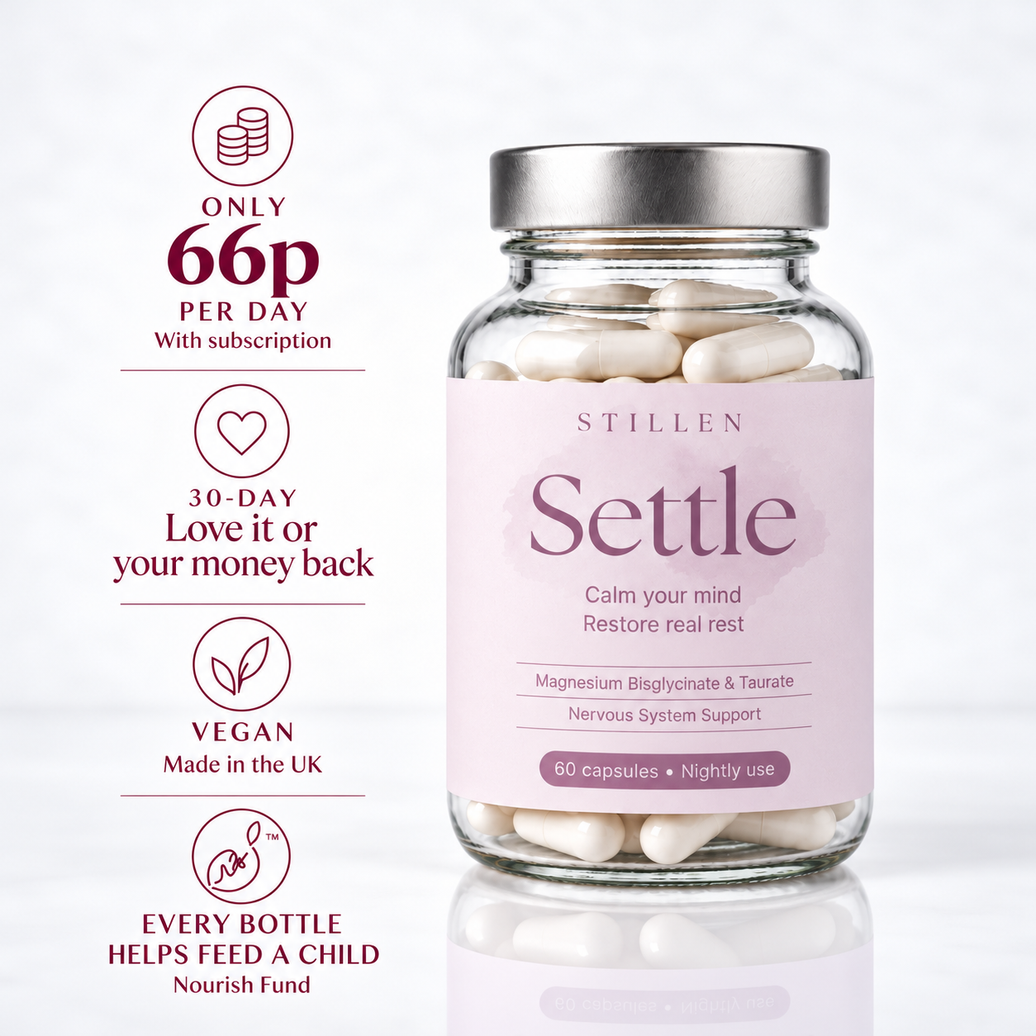
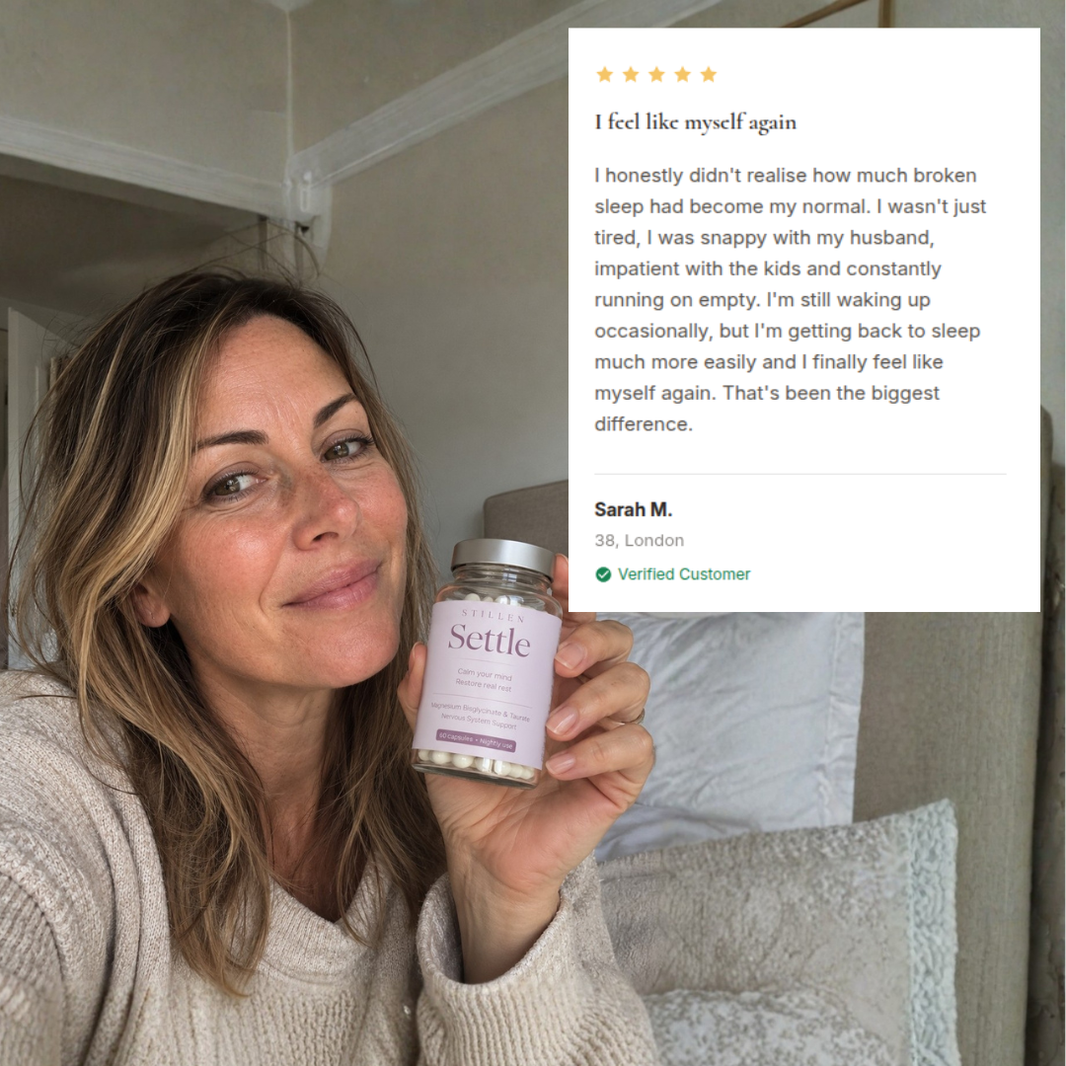
For women who find it difficult to meet their needs through food consistently, Settle is a premium magnesium blend formulated to support the nervous system and everyday wellbeing, designed for real life rather than ideal conditions.
The Mediterranean Pattern: A Framework, Not a Rigid Plan
If there is one overarching message that the research keeps returning to, it is this: rather than focusing on individual superfoods or chasing specific nutrients in isolation, the most consistently evidence-supported approach to fertility nutrition is a whole dietary pattern. And that pattern has a name.
The Mediterranean diet has been examined across multiple peer-reviewed systematic reviews and meta-analyses, and it keeps coming out on top. A 2021 review published in Advances in Nutrition confirmed that a diet rich in dietary fibre, omega-3 fatty acids, plant-based protein, and key vitamins and minerals has a positive impact on female fertility. More recent research, including a 2024 literature review in Nutrients, has extended these findings even to women undergoing assisted reproduction. This is not a niche or emerging theory; it is one of the most robustly supported nutritional frameworks in reproductive health research.
In practice, the pattern looks like this: plenty of vegetables, legumes such as lentils and chickpeas, whole grains, oily fish as the main animal protein, olive oil as the primary fat, nuts, seeds, and moderate fruit. It prioritises plant-based foods, keeps ultra-processed options low, and naturally delivers most of the fertility-supportive nutrients covered throughout this article, including folate, omega-3s, iron, antioxidants, and magnesium. In that sense, it is a useful way to bring everything together without needing a complicated checklist.
What makes this approach genuinely practical is that it is not a prescriptive meal plan or an elimination diet. You do not need to overhaul your kitchen or give anything up entirely. For everyday life in the UK, the shifts are realistic: swapping white bread for wholegrain, adding a portion of salmon or sardines twice a week, using olive oil instead of butter, and building more lentils and vegetables into meals you already make. Small, gradual changes in food quality add up over time, and that is exactly what the evidence supports.
What the Evidence Suggests Limiting
Just as the previous sections have focused on what to bring more of to your plate, it is also worth looking honestly at what the evidence suggests keeping to a minimum. This is not a shame list, and there is no version of eating perfectly that any of us manages every day. What follows is simply useful information to help you make choices that feel right for you.
Trans Fats and Hormone Disruption
Trans fats are consistently flagged in the fertility research, and the mechanism helps explain why. These fats, found in partially hydrogenated oils, some commercially baked goods, packaged snack foods, and certain fried foods, are linked to increased systemic inflammation and disrupted hormone signalling. When your hormonal environment is affected by chronic low-grade inflammation, the conditions needed for regular ovulation become harder to maintain. The practical takeaway is simple: if you see "partially hydrogenated oil" in an ingredients list, that is the thing to look for. Regulatory changes have reduced trans fats in many food supplies, but they have not disappeared entirely from ultra-processed products.
Refined Carbohydrates, Added Sugars, and Your Hormones
The connection between blood sugar stability and hormonal balance is well-supported by the evidence. Refined carbohydrates and added sugars are rapidly digested, causing blood sugar to spike and demanding a surge of insulin in response. When insulin is chronically elevated, it can interfere with the hormones that regulate ovulation. For women with PCOS, a condition closely linked to insulin resistance, managing blood sugar through food choices can be particularly meaningful. Swapping refined carbs for whole grains like oats, quinoa, and brown rice is one of the most practical shifts you can make.
The Bigger Picture on Ultra-Processed Foods
A 2025 cross-sectional study published in BMC Public Health found a statistically significant association between ultra-processed food consumption and female infertility. What makes this finding useful is that it points to dietary pattern rather than any single ingredient. Ultra-processed foods tend to be high in trans fats, refined sugars, and additives, while being low in fibre and the micronutrients your body needs. No single meal will define your fertility outcomes; what matters is the overall pattern over time.
A Practical Word on Alcohol
Current guidance is cautious about alcohol when trying to conceive, particularly during fertility treatment. High intake has been associated with disrupted sleep, altered hormone regulation, and potential impacts on ovulation. That said, this is not about perfection. Most experts suggest keeping alcohol minimal while trying to conceive, and reducing it further if you are undergoing treatment. What feels manageable and sustainable for you is a reasonable place to start.
Does Going Gluten-Free Boost Fertility? What the Evidence Says
If you have spent any time in wellness spaces online, you have probably come across the idea that going gluten-free could improve your chances of conceiving. It is a claim that circulates widely, often presented with a lot of confidence. And while it is easy to understand why women exploring every option might consider it, the evidence tells a more nuanced story.
A narrative review published in Nutrients in July 2025 and indexed on PMC/NCBI is clear: there is currently insufficient evidence to recommend excluding gluten from the diet of every woman trying to conceive. For women without a clinical diagnosis of coeliac disease or non-coeliac gluten sensitivity, removing gluten is not a validated fertility intervention. This is not a gap that more willpower will fill. It is simply not what the research supports right now.
There is, however, an important exception worth understanding. Coeliac disease is a genuine autoimmune condition, and when it goes unmanaged, the inflammatory response to gluten damages the gut's ability to absorb nutrients such as iron, folate, vitamin D, and zinc. All of these nutrients appear elsewhere in this article for good reason; they matter for reproductive health. If you suspect you may have coeliac disease or non-coeliac gluten sensitivity, speaking with your GP and pursuing proper testing is the right step, not trialling dietary restriction without a diagnosis.
There is also a practical cost to removing gluten unnecessarily. Wholegrains contribute fibre, zinc, iodine, and folate to the diet, and research suggests they may support uterine lining thickness. Following a restrictive diet without clinical reason can quietly displace some of the most genuinely nourishing foods on your plate.
If gluten-free is medically right for you, it absolutely is the right choice. For everyone else, you can set that particular wellness trend aside with confidence.
Beyond Food: Lifestyle Factors Worth Knowing About
Food is a powerful place to start, and this article has focused there for good reason. But it would feel incomplete not to briefly mention a few lifestyle factors that the evidence also takes seriously, because they are genuinely within your influence and worth knowing about.
Smoking is one of the most well-evidenced lifestyle factors affecting female reproductive health. The research is consistent: smoking accelerates reproductive ageing in a way that goes beyond general health damage. Women who smoke tend to reach menopause earlier than non-smokers, which reflects a real and measurable depletion of ovarian reserve over time. It disrupts the hormonal signalling that regulates the menstrual cycle, adding another layer to its impact on fertility. The encouraging news, and this is worth sitting with, is that ovarian function can begin to recover within months of quitting. Your body is not waiting to be told it is too late. Quitting at any point in your reproductive years is not futile; it is genuinely useful.
Sleep and stress deserve a mention here too, not as additional things to worry about, but because they operate through the same hormonal systems that influence ovulation and cycle regularity. Chronic poor sleep and sustained high stress both elevate cortisol, which can suppress the hypothalamic-pituitary-ovarian axis, the signalling chain that keeps your cycle ticking along as it should. If you have been running on empty or feeling constantly wired, that is not just tiredness; it has a physiological knock-on effect worth taking seriously.
None of this is meant as a new prescription. Think of it as useful context, because understanding what you can influence is quietly powerful.
Small Shifts, Real Support
The key takeaways from everything covered here come down to a handful of consistent themes: folate, omega-3s, vitamin D, iron, antioxidants, and magnesium, woven together through a varied, Mediterranean-style way of eating. No single food does the job alone. What the evidence actually points to is the cumulative effect of consistent dietary patterns, the kind that support hormone production, protect egg quality, and create the physiological conditions that fertility genuinely depends on.
For women in their late 30s and 40s, it is worth remembering that this is bigger than fertility in isolation. The same nutrients and patterns that support reproductive health also support your hormonal balance, your energy, your sleep, and how you feel day to day. That broader picture matters.
If you have specific concerns, speaking with your GP or a registered dietitian is a genuinely positive step. Bloodwork can uncover deficiencies you would never know about otherwise, and a professional can help you personalise your approach rather than guessing.
Most importantly: reading this far means you are already doing something meaningful. You do not need a perfect diet or a complete overhaul. Small, consistent changes, made with care and without pressure, are enough to make a real difference. That is worth something.
Conclusion
The research is clear: what you eat can meaningfully support your reproductive health, but there are no magic foods that guarantee results. The most important takeaways are simple. Focus on nutrient-dense whole foods, prioritize key fertility-supporting nutrients like folate, iron, and healthy fats, and stay consistent rather than chasing the latest superfood trend. Small, sustainable changes to your daily eating habits will always outperform dramatic dietary overhauls.
Your fertility journey is deeply personal, and food is just one piece of the puzzle. But it is a piece you have real control over.
Start today by adding one or two evidence-backed foods to your next meal. Track how you feel, speak with your healthcare provider about your specific needs, and remember that nourishing your body is always a worthwhile investment, whether you are trying to conceive now or simply supporting your long-term health.